
3D websites Immersive website design, for brands anywhere
A 3D website at Konaverse is an immersive website built around real dimension: pre-rendered, path-traced objects and scroll-driven scenes that move with the visitor. It is for product, hospitality and technology brands that need their presence felt rather than described, wherever they sell. Projects start at €6,000 and take eight to twelve weeks.
 Starting at€6,000
 Concept to launch8–12 weeks
 On a mid-range phone60 fps
Make the screen a place
What it is
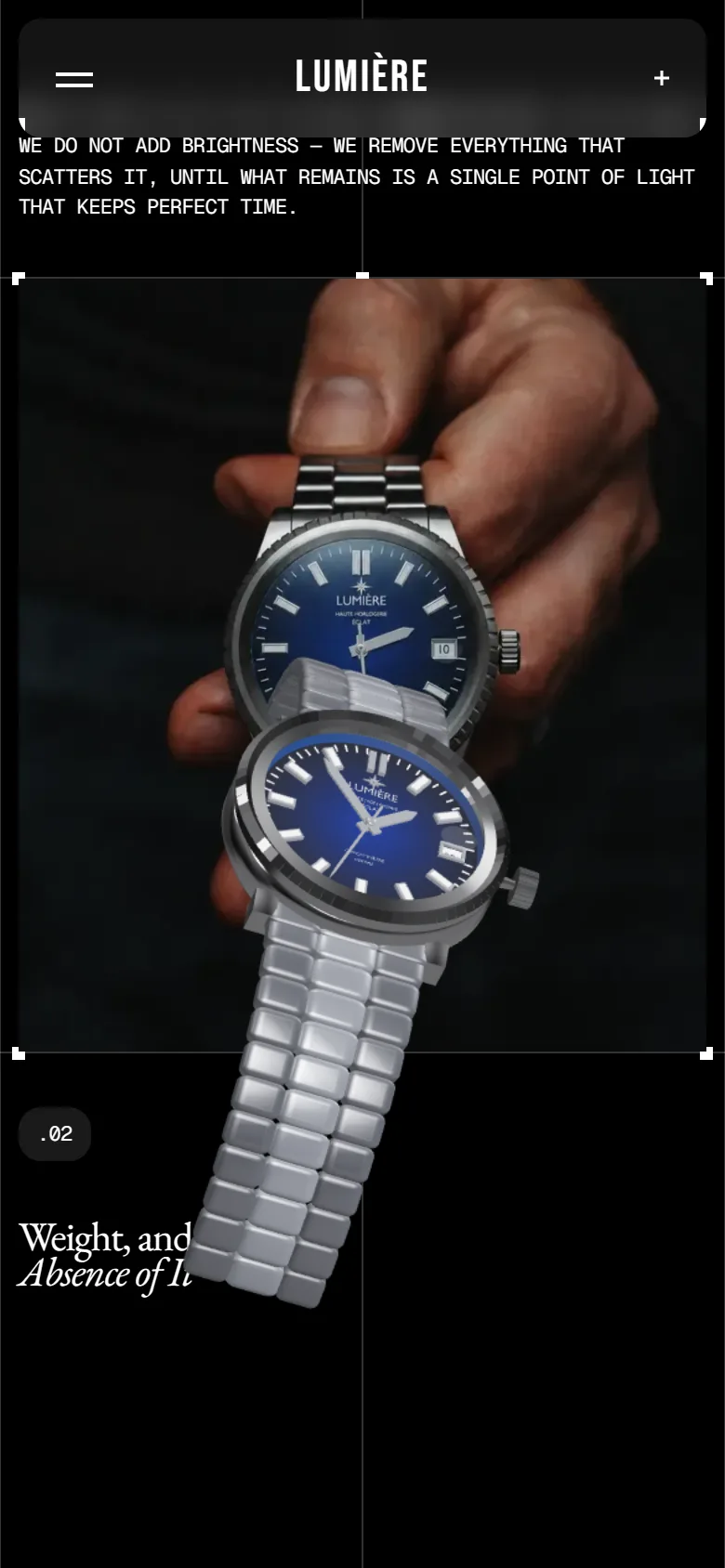
Objects with weight and light, choreographed to the scroll. Concept art first, then a rendered pipeline, then a site that stays under budget on frames and bytes alike.
When it is the wrong choice
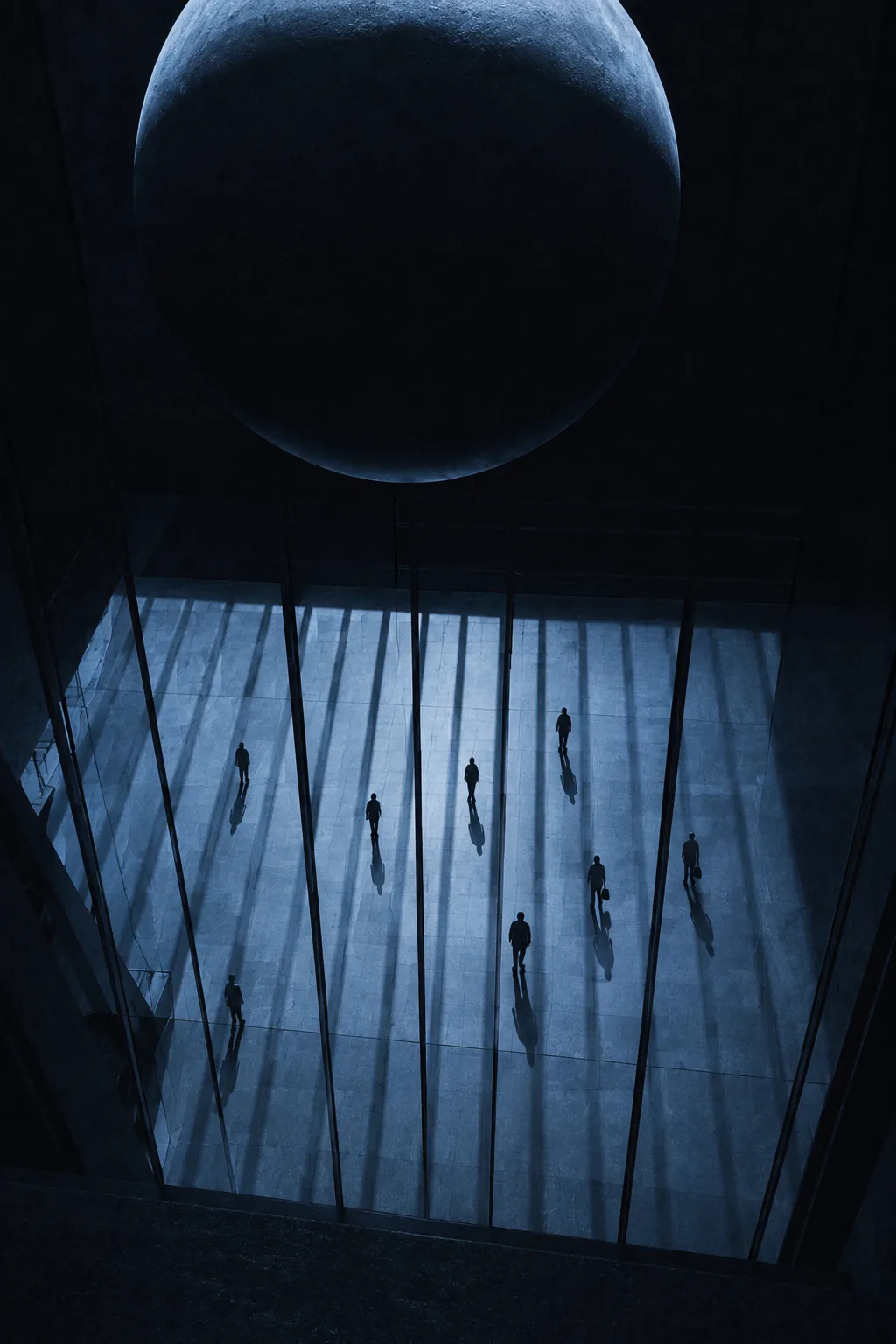
If your visitors come to read, book or buy in a hurry, dimension is in their way. And if the brand has no object, no material, no space of its own, there is nothing honest to render.
What a 3D site fixes
“Our product looks flat in a photograph.”
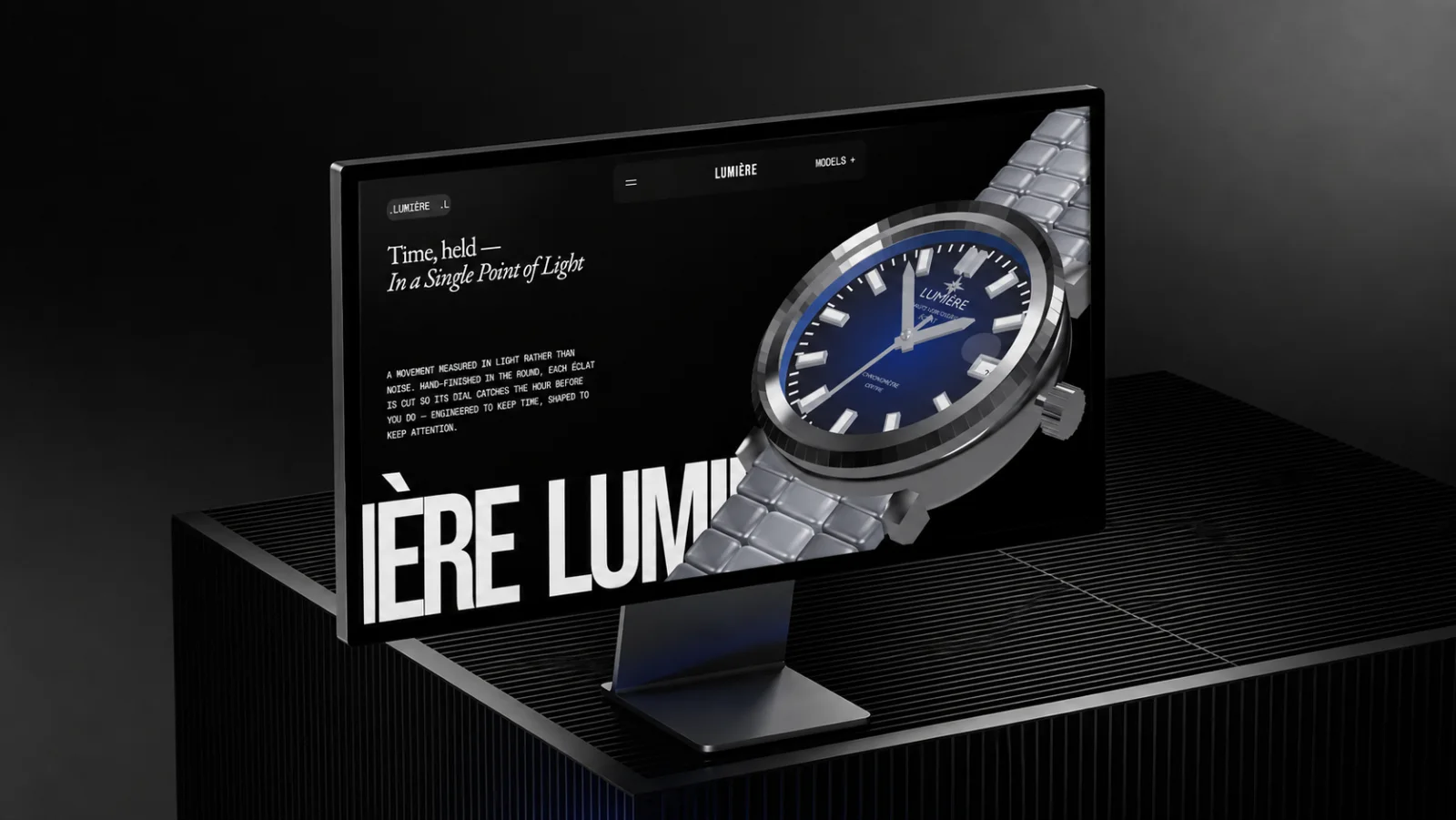
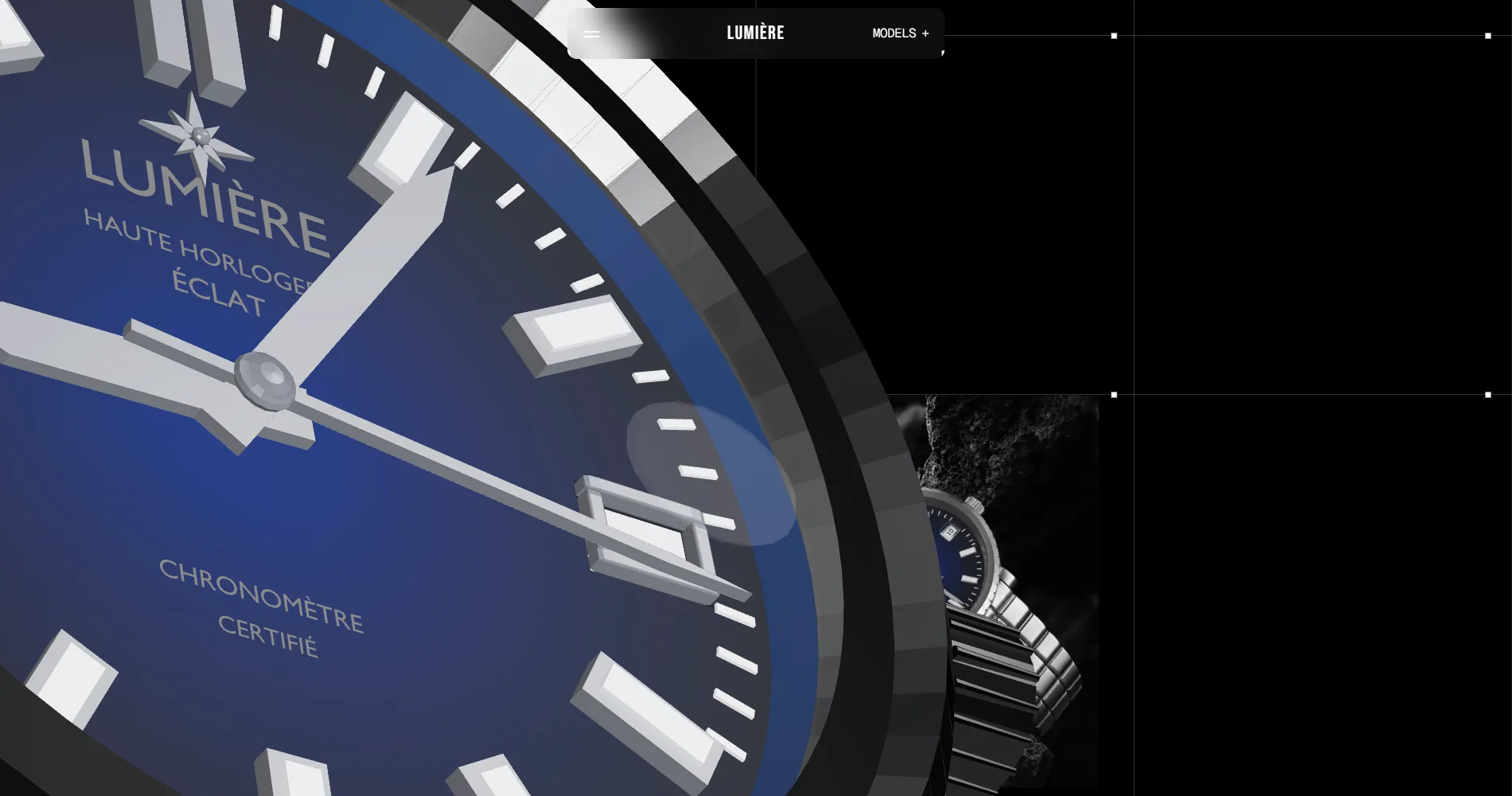
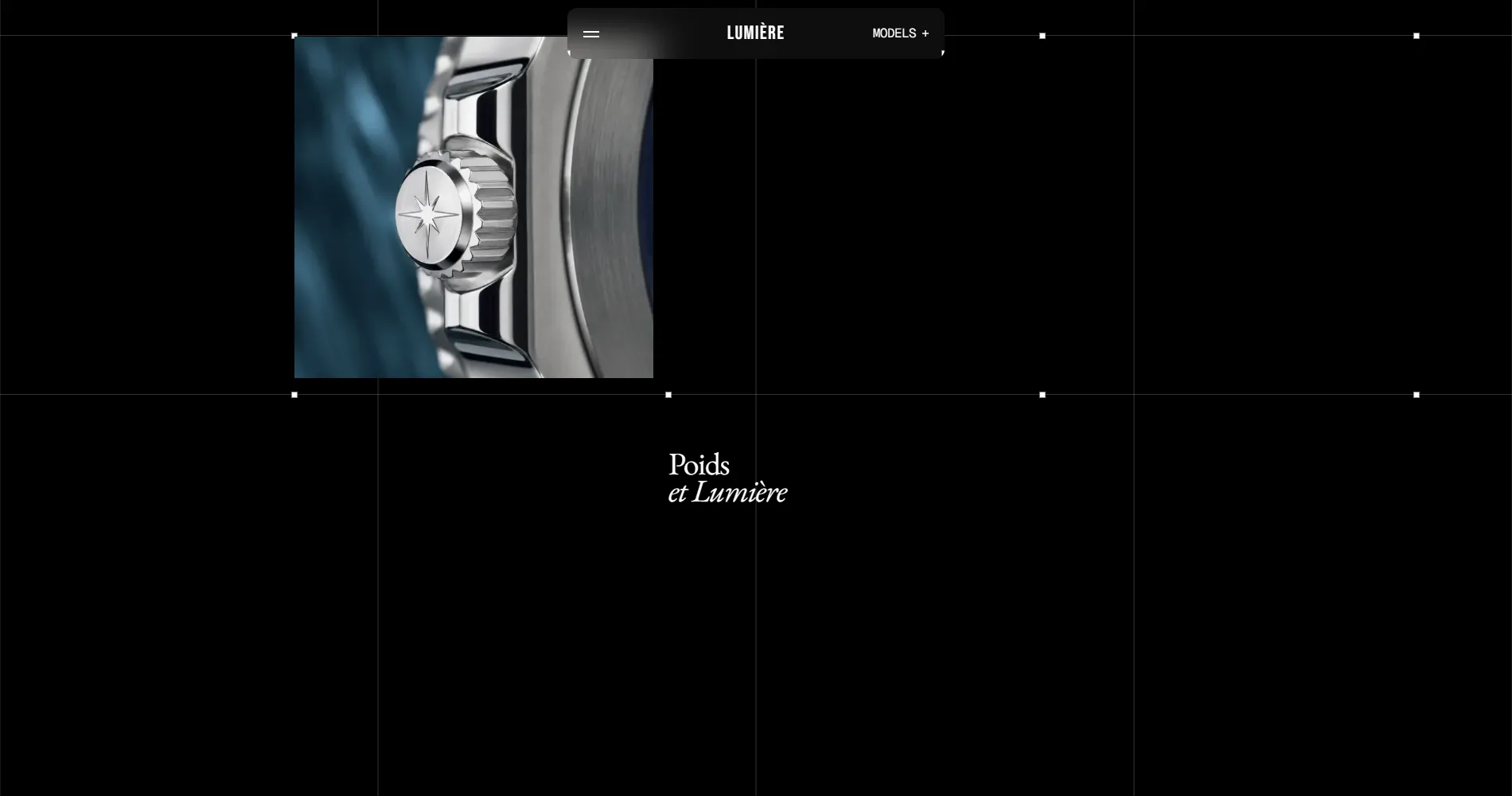
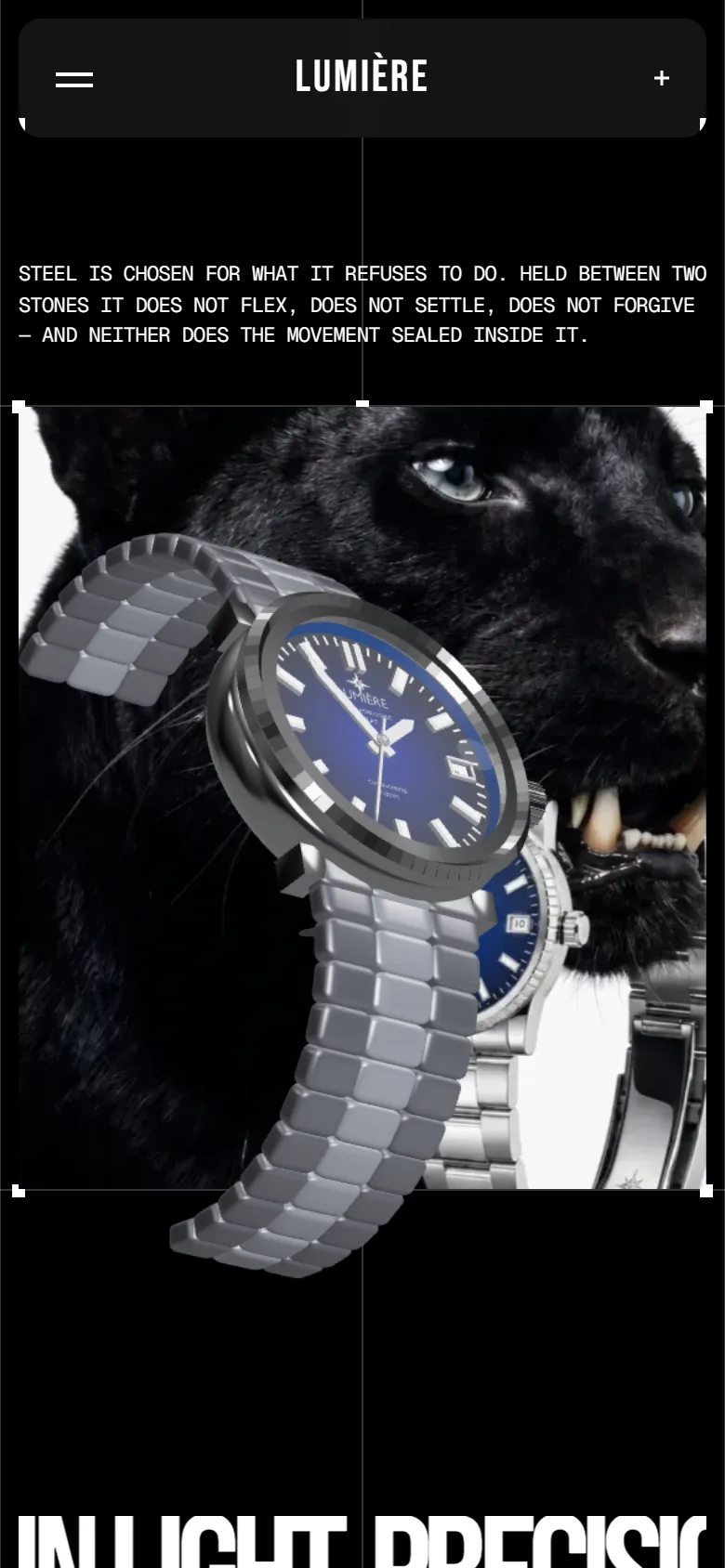
A photograph shows one angle under one light. For Lumière Éclat the watch is a modelled object with a real material, lit by an environment the scroll turns, and the eleven rows of its bracelet are geometry rather than a picture, so they catch the light as they move. The visitor turns the product by reading.
Lumière Éclat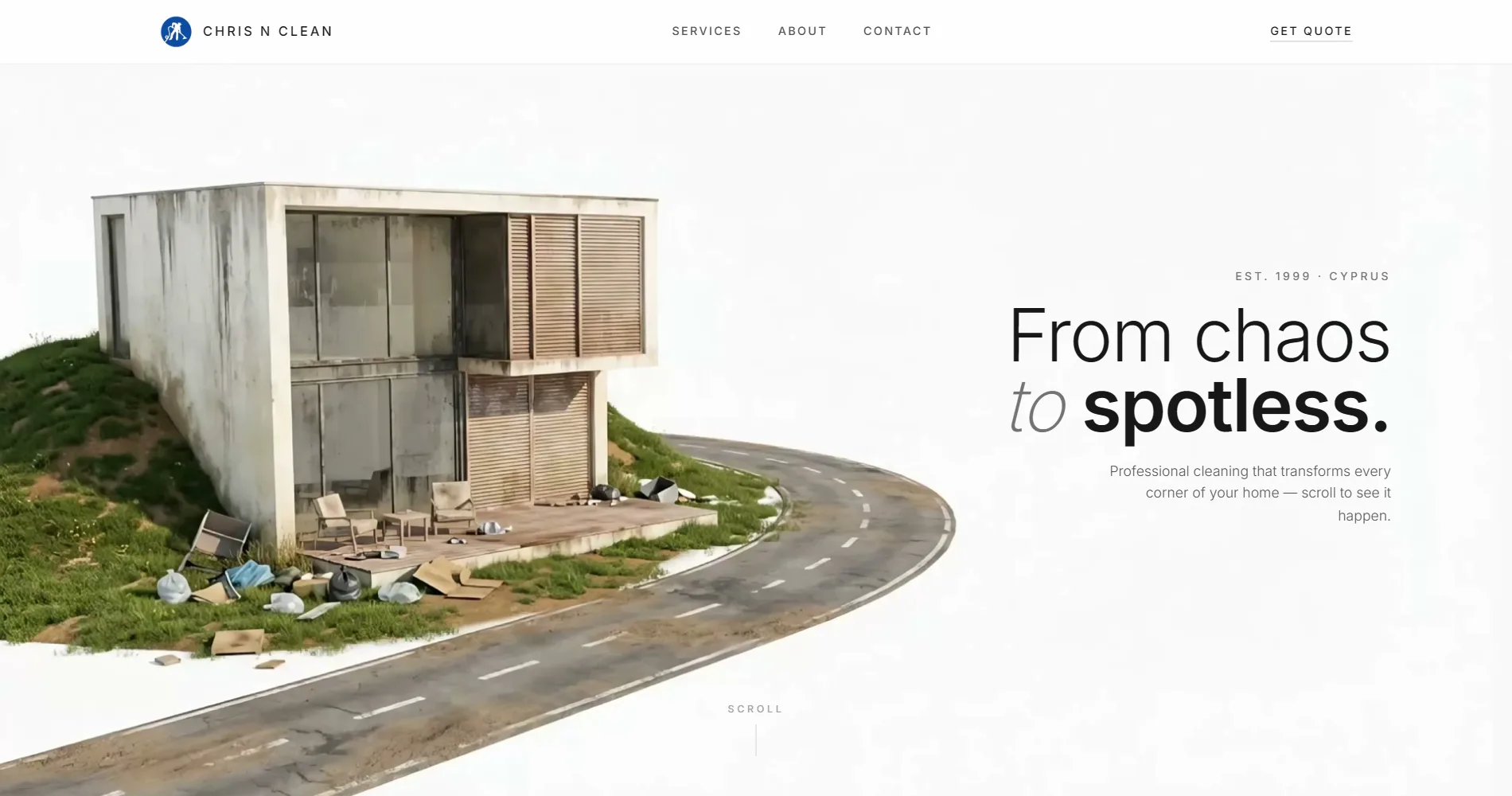
“Every site in our category looks the same.”
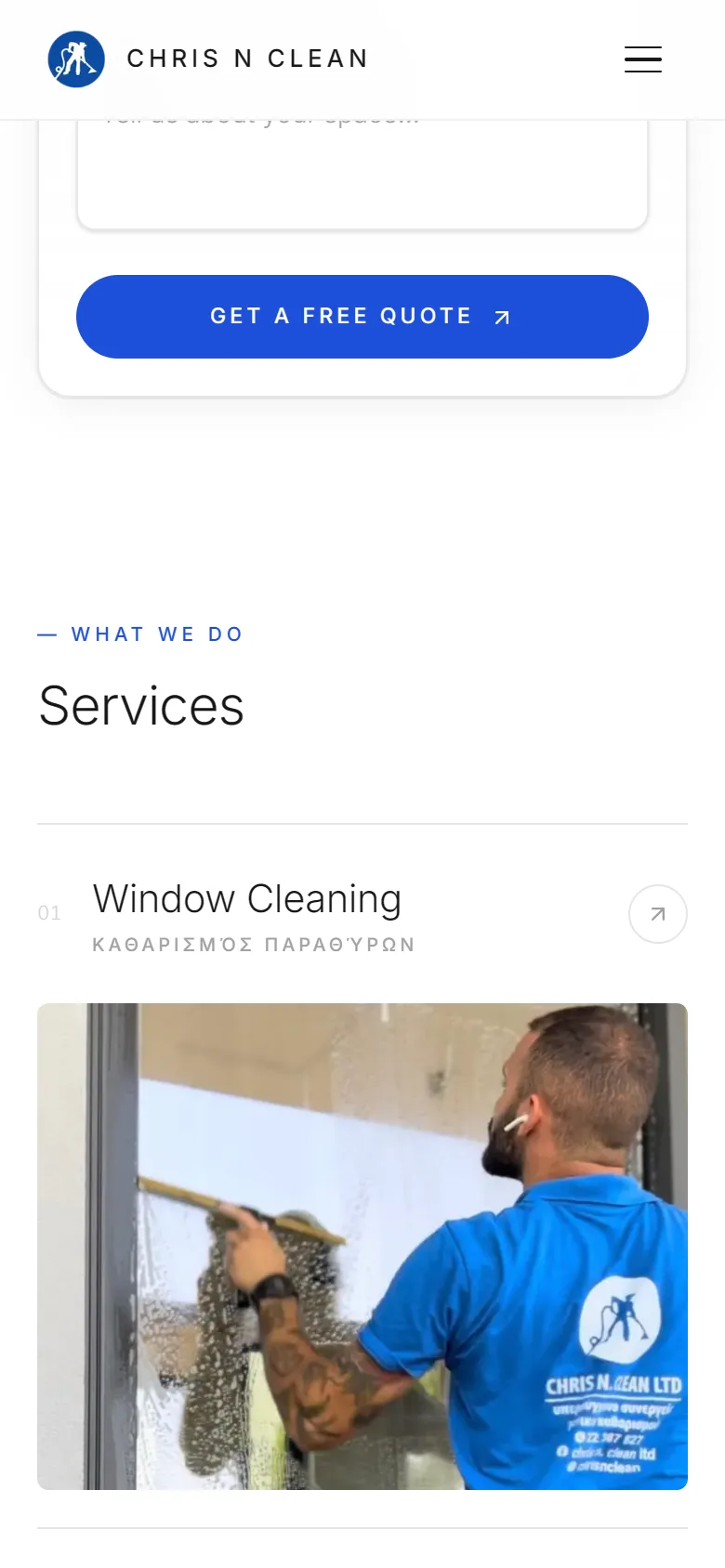
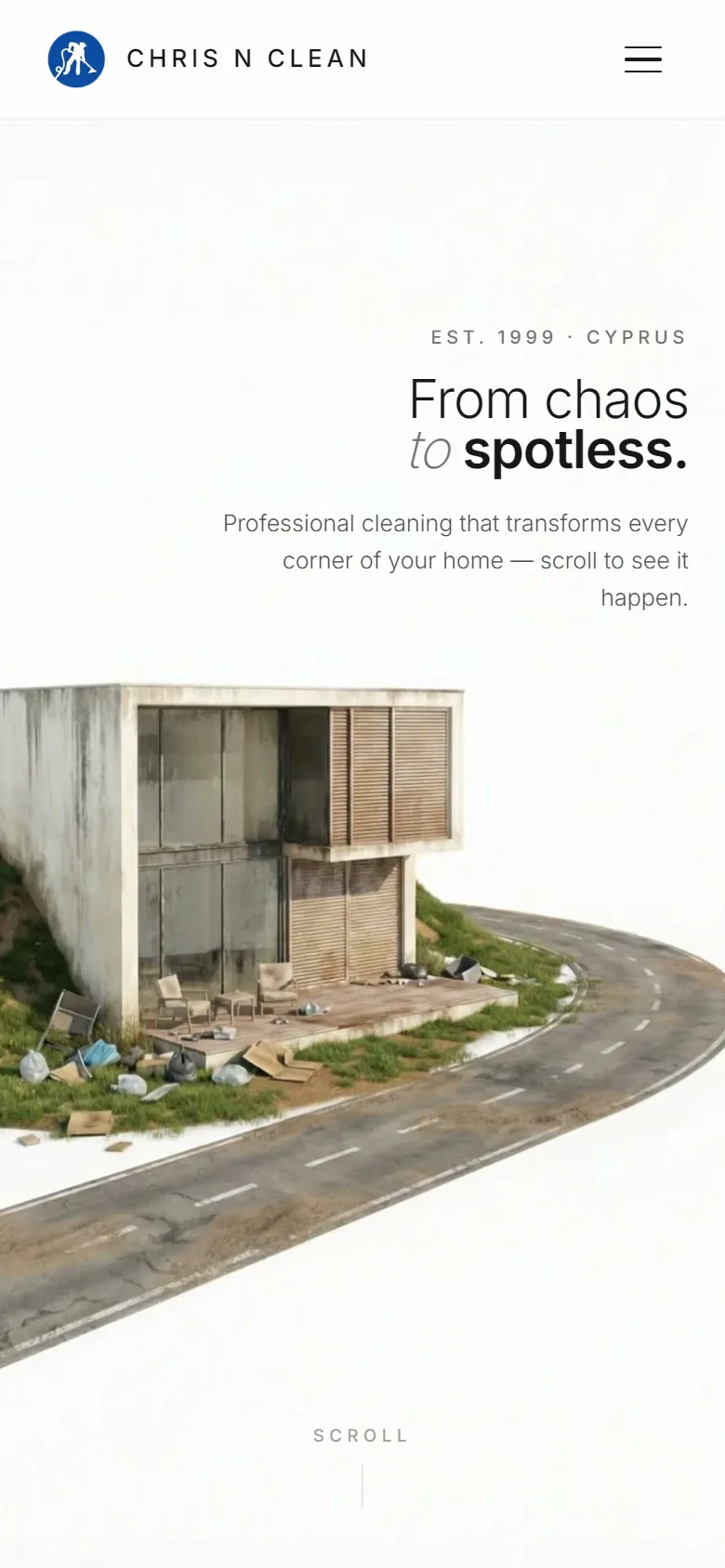
Cleaning sites all show two photographs side by side, before and after. Chris N Clean’s opens on a house drawn from 121 rendered frames bound to the scroll, so the clean happens as you move, forwards and backwards. The promise of the company is acted out before a word is read.
Chris N Clean, Nicosia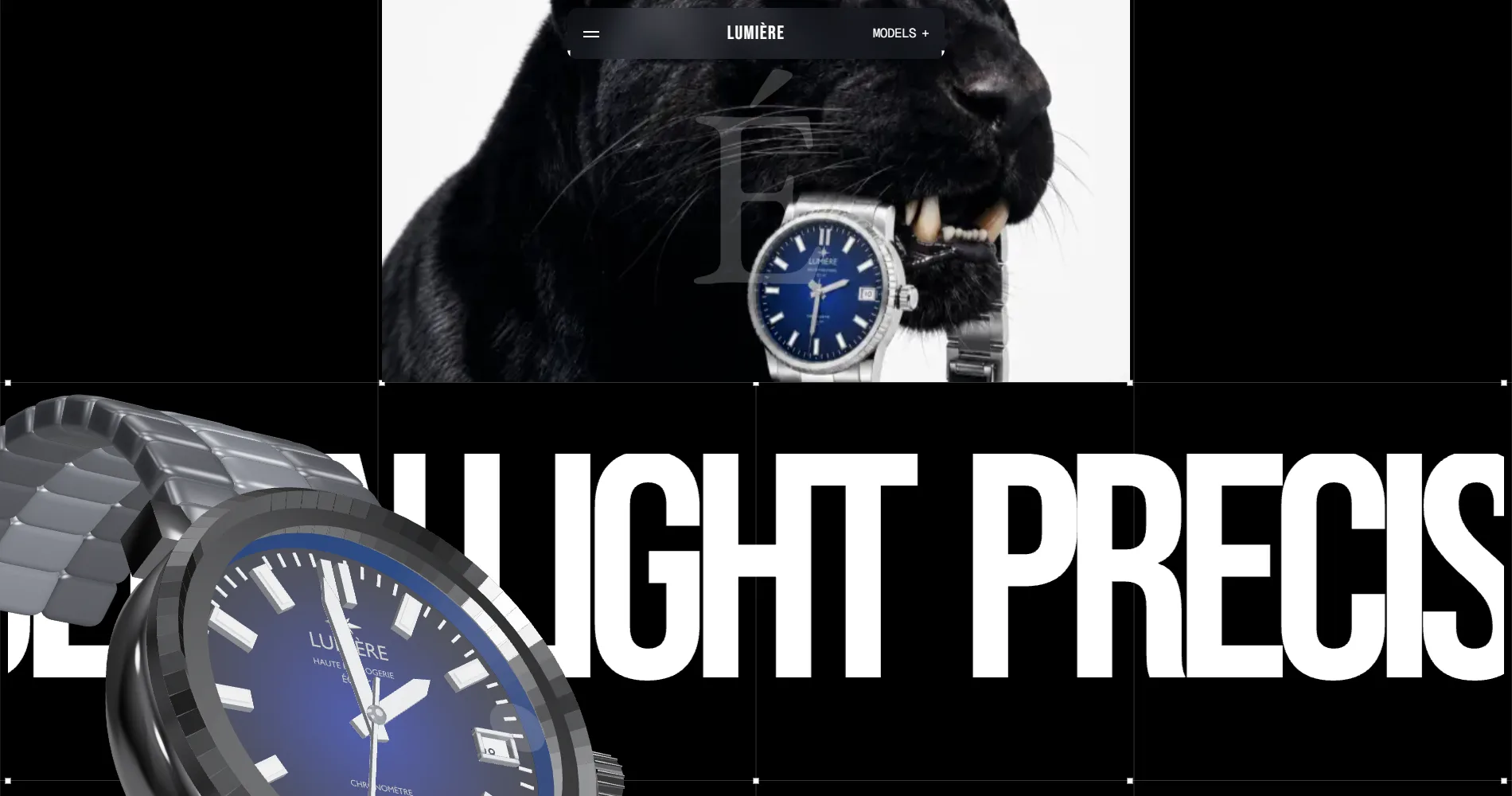
“Immersive sites feel like a gimmick.”
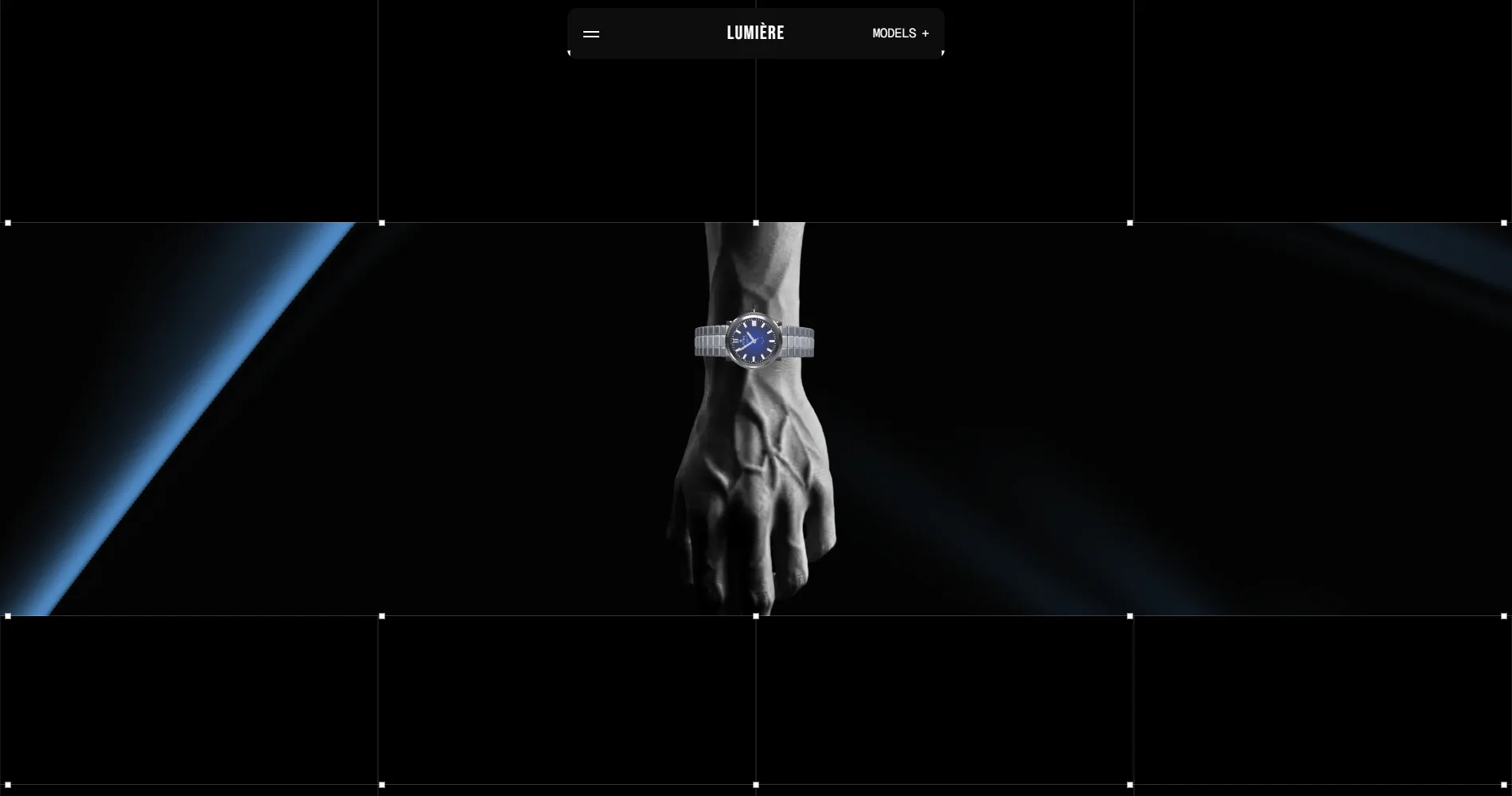
They do when the page performs for its own sake. On Lumière Éclat particles, reflections and a cursor that moves the object were all tried and all cut. The watch turns with the scroll and nothing else, because the moment the scene shows off, the product stops being the point.
Lumière Éclat, the restraint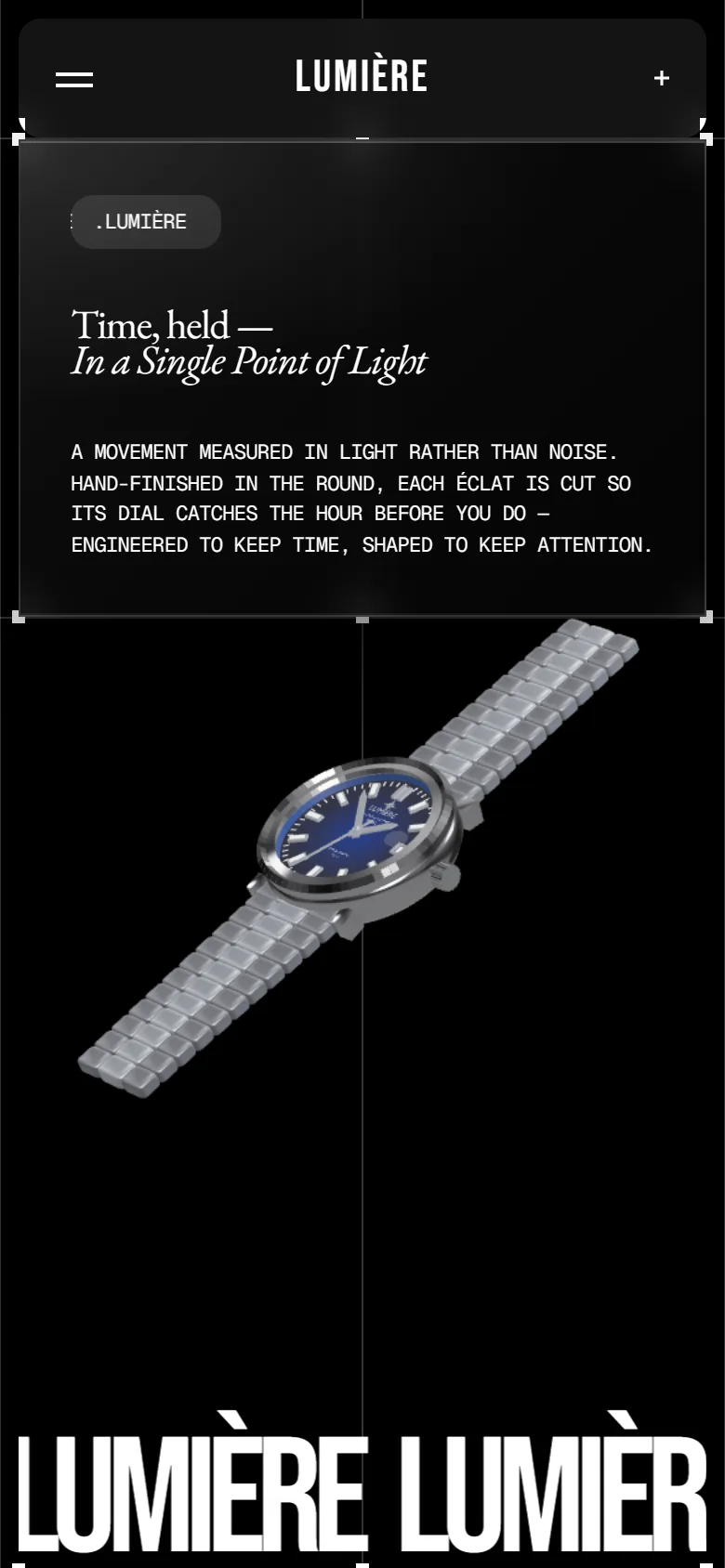
“It has to work on a phone too.”
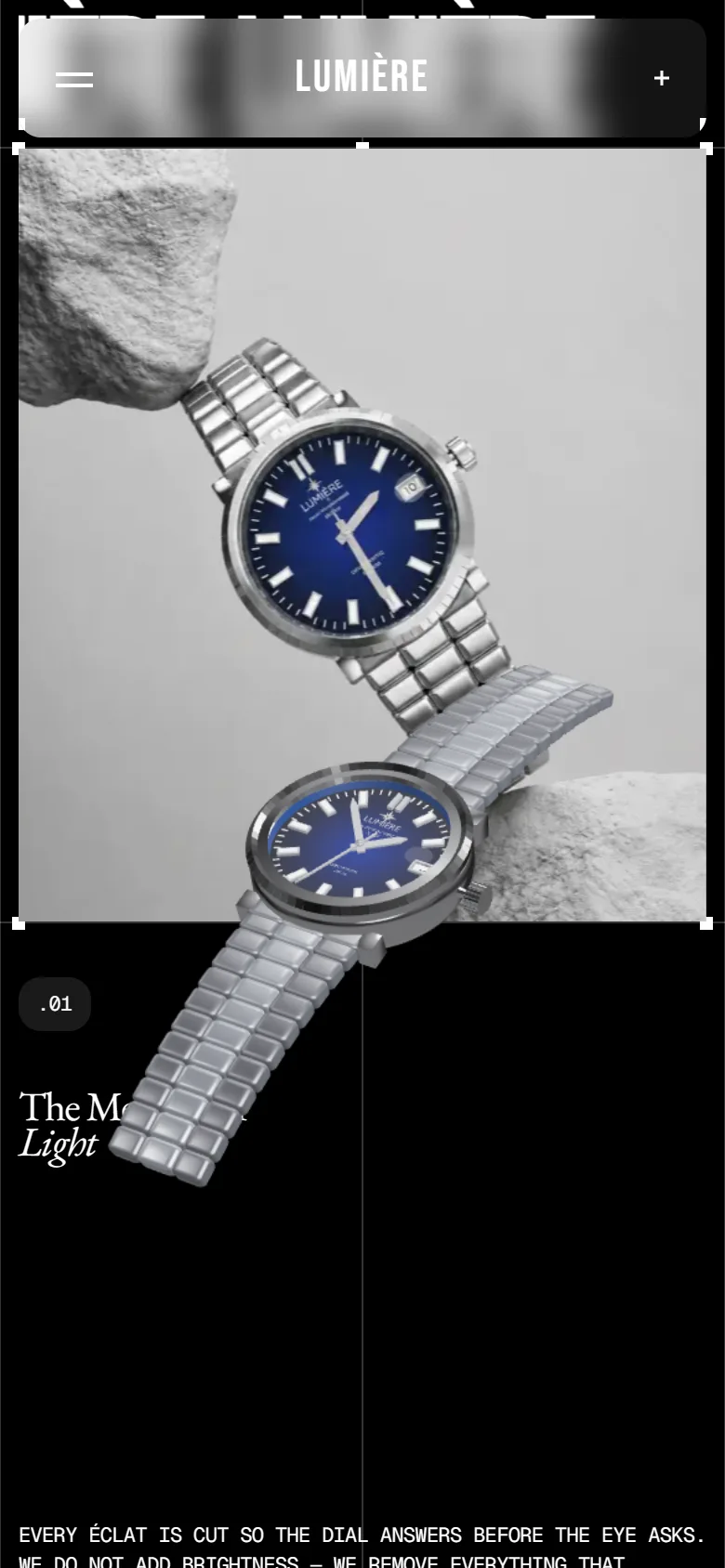
Dimension is no use if it stutters. The scene is capped to what the device can draw, phones get their own lighter cuts, and a device that cannot draw it, or a reader who asks for less motion, gets rendered stills that tell the same story.
Lumière Éclat on a phone
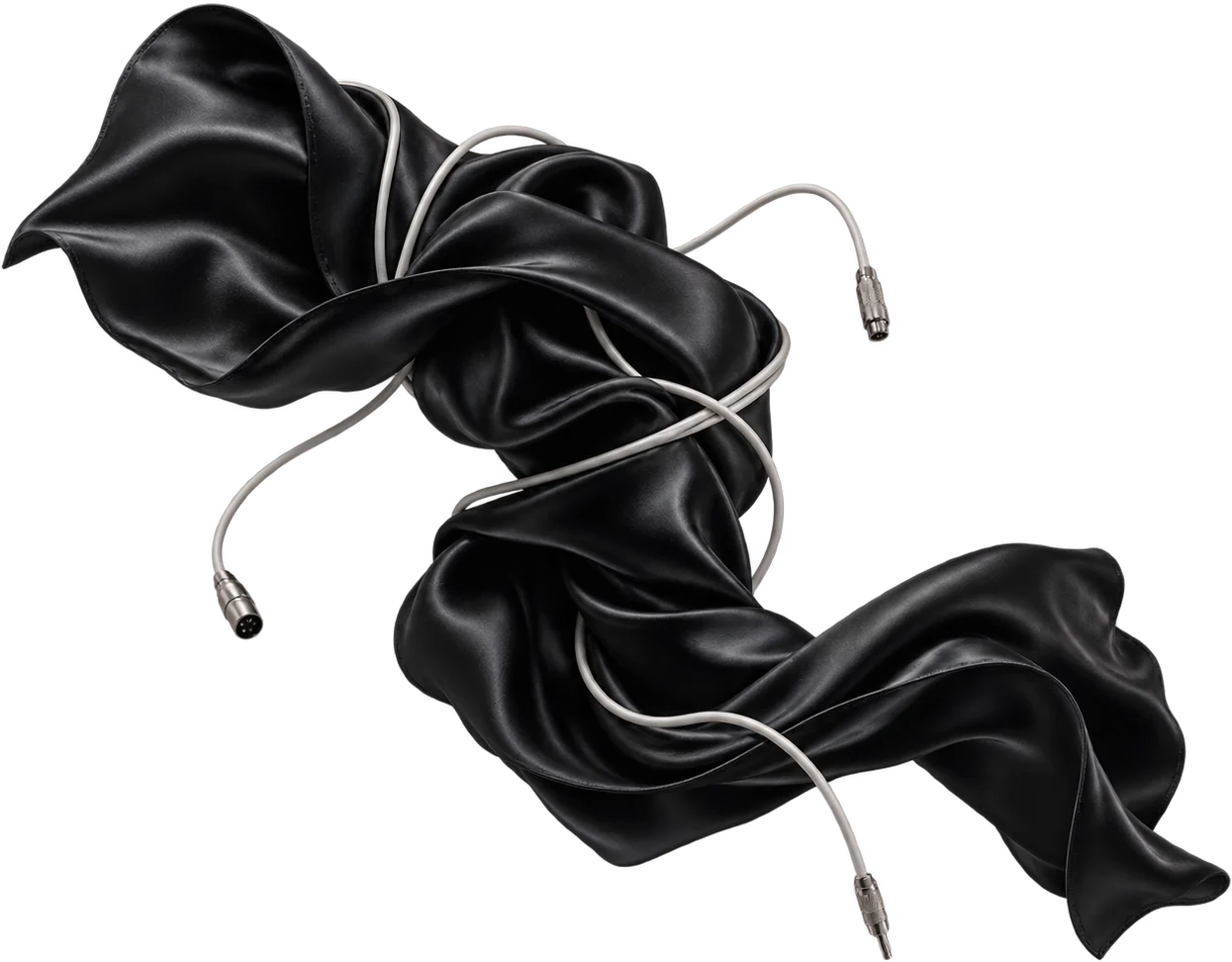
Recent 3D and motion work
All work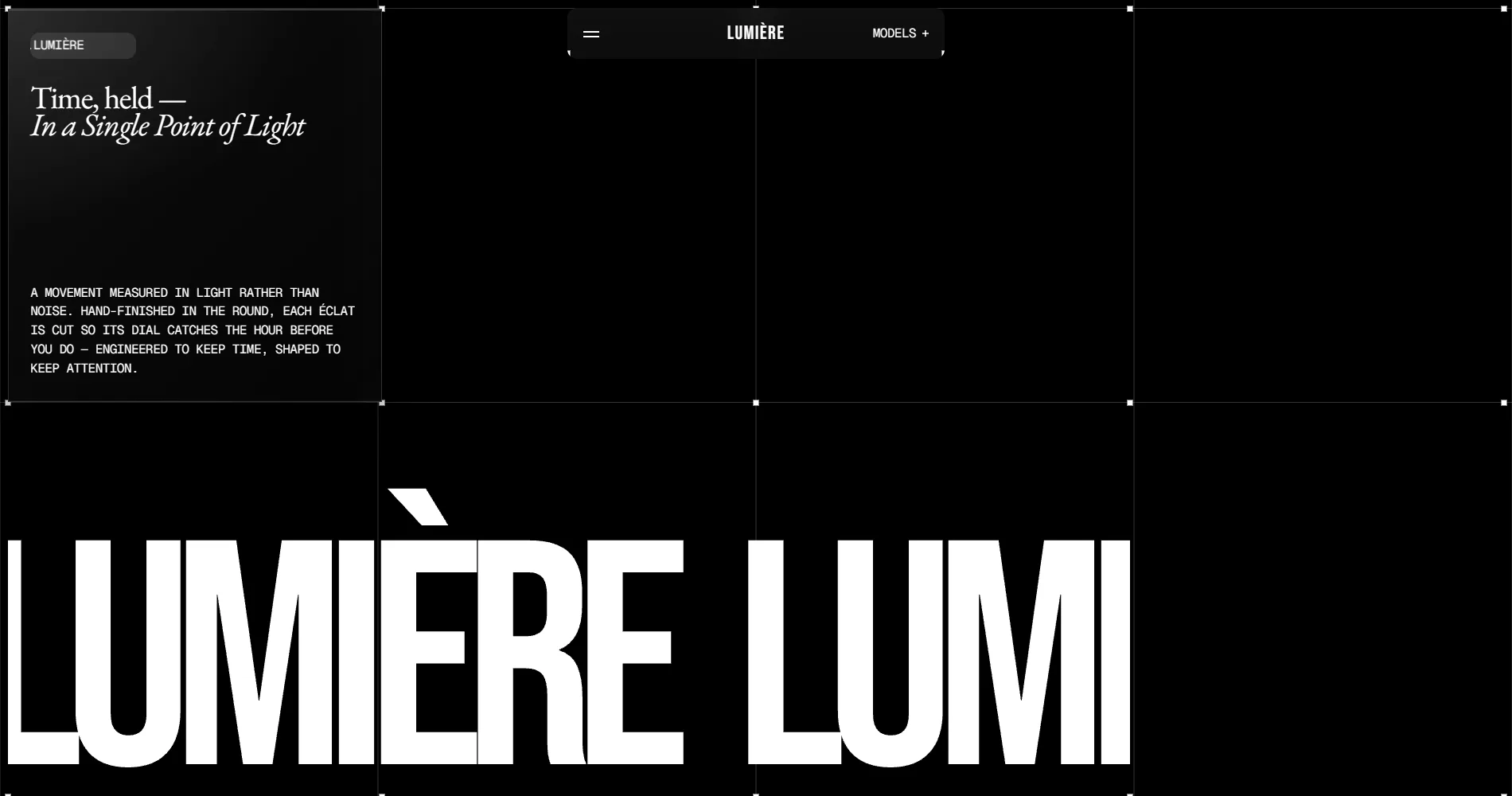
What you get
A storyboard of the scroll
Every scene in order, with the object in it, approved before anything is rendered.
Rendered stills first
The object, modelled and lit, shown as stills for approval before the animation passes.
One scroll, one clock
The camera, the object and the copy all driven by one scroll position, so nothing falls out of step.
Every scene, on every screen
Each scene wired to the scroll and measured on real devices, with lighter cuts for phones.
A budget on frames and bytes
The scene is held to what a phone can draw, so the dimension never costs the visitor their patience.
A fallback that still reads
Stills and full copy for reduced motion and for anyone without JavaScript.
Add-ons and running costs
Add-ons
What can be added to the starting price of €6,000. Anything not on this list is quoted before work starts.
- Extra sceneAnother scroll-driven scene beyond the storyboard that was agreed.from €800
- Product modellingYour product modelled from files or photographs when no 3D file exists.from €600
- Extra pageEach page beyond the main scroll, designed and built.from €250
- A second languageEvery page in two languages, each with its own address.from €500
- A CMSContent your team edits, with no developer in between.from €500
After launch
What the site costs once it is live.
- Hosting and maintenanceWe keep the site online, updated, backed up and monitored.€40 a month
- Hosting and maintenance, with a CMSThe same, for a site with a content system or a database behind it.€90 a month
- DomainRegistered in your name and billed to you by the registrar.At cost
- Changes after launchNew sections, pages or features, quoted when you ask for them.Quoted
How it goes
4 steps, about 10 weeks.
Concept
2 weeksYou give Brand, product, references, and what the visitor should feel.
You get A storyboard of the scroll: every scene, in order, with the object in it.
Art
3–4 weeksYou give Product files or the go-ahead to model.
You get Rendered stills for approval, then the animation passes.
Build
3–4 weeksYou give Copy.
You get The site with every scene wired to the scroll, measured on real devices.
Launch
1 weekYou give Sign-off.
You get Live, with a fallback that reads fully with no JavaScript at all.